📚心得【The Giver 記憶傳承人】 by Lois Lowry, 1993
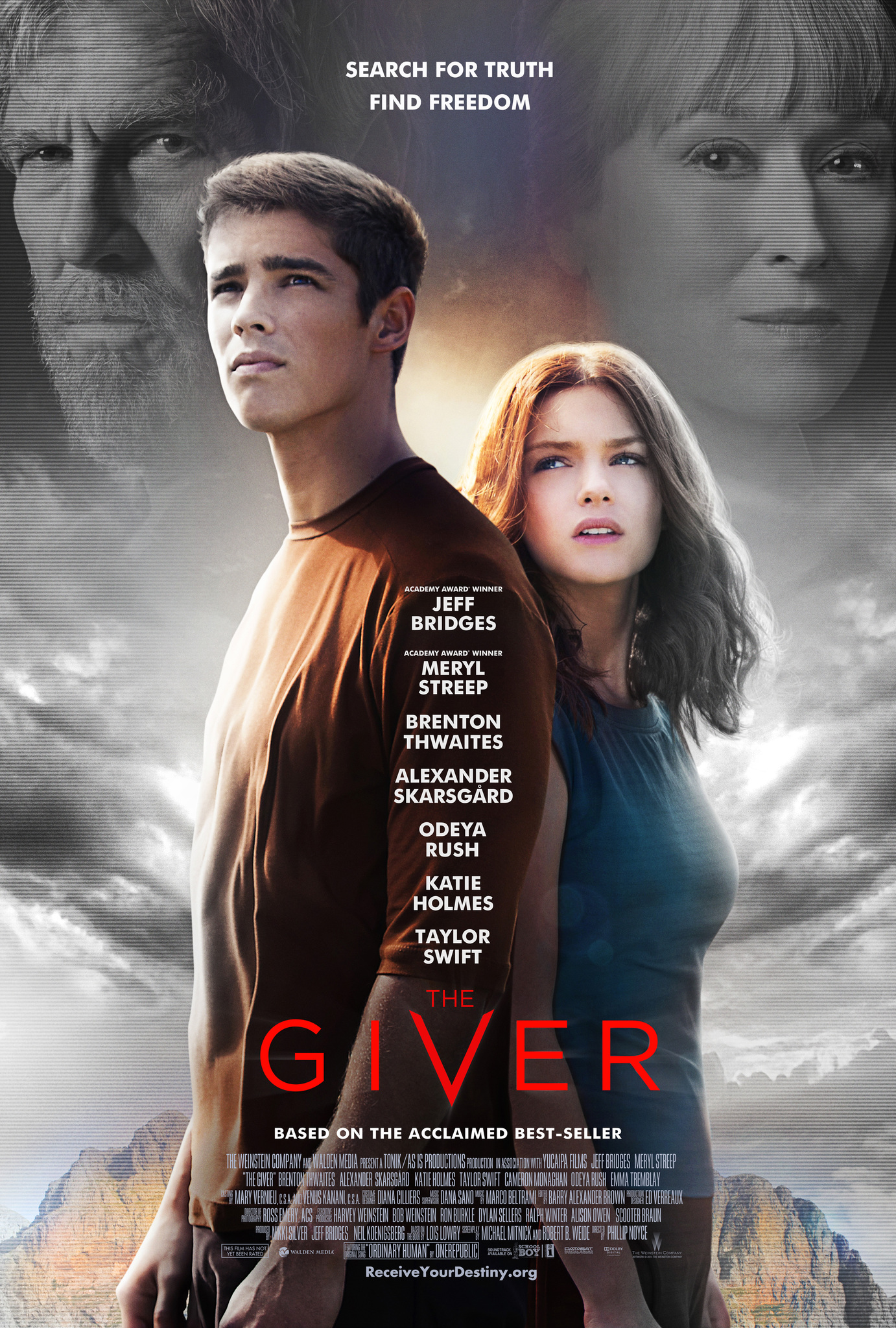
The story takes place in a perfect communist utopian world where every aspect of people's lives—names, resources, housing, parents, children, jobs, partners, and retirement—is allocated by the government in the most rational and fair manner. Even occasional illness or minor crimes can be immediately resolved. In this world of "Sameness," does life feel like paradise? However, after the protagonist is assigned to the honored position of "Receiver of Memory," the seemingly perfect facade gradually crumbles before his eyes. It turns out that this sameness is merely the result of carefully stripped-away individuality.
The formation of this society shares interesting parallels with certain Buddhist concepts: suffering is bad, so to eliminate suffering, one must eliminate desire and self. No desire—emotions are controlled by medication, everyone receives identical things, eliminating comparison and conflict; no self—everything prioritizes the community's welfare, emotions are suppressed, thereby eradicating individualism. In such a society, talented individuals in every field still emerge to advance scientific progress, and the government can implement policies from a holistic perspective. But from the viewpoint of an emotional being, the problem becomes immediately apparent: these people are merely zombie-like creatures. Never having experienced pain, they cannot know joy; never having lost anything, they don't know how to fight for something; never having lived, they don't know the terror of death. If we must ask: is this ultimately a Utopia or a Dystopia?
I would argue that for society as a whole, it's a Utopia, but for the individual, it's absolutely a Dystopia. What's terrifying is that living in such a society, without recognizing what a meaningful life looks like, one might never realize how meaningless this existence is. For those who can see reality, it's even more cruel—no one around them can understand the truth they've grasped through effort, and that loneliness is unbearable.
Despite such an intriguing central theme, there's plenty to complain about. The plot progression relies on some important elements that are pure magic, unscientific. Plus the ending is unclear, leaving readers in the fog, not even knowing whether it's a good or bad ending... Anyway, if you're interested, just watch the movie.
IMO Rating: 67. Mediocre work that starts strong but fizzles out, though the core concept is quite interesting.Core Theme: ★★★★☆ (*5)
Plot Quality: ★★★☆☆ (*4)
Character Development: ★★★★☆ (*3)
Science Validity: ★★☆☆☆ (*3)
Ending Satisfaction: ★☆☆☆☆ (*3)
Readability: ★★★★★ (*2)


留言
張貼留言