📚心得【福音戰士_貞本版本】by 貞本義行|Review《Evangelion》by Yoshiyuki Sadamoto, 2004
#角色成長 #內心戲 #胚腫論 #種族重生
首先,推薦想讀懂《Evangelion》的人直接閱讀漫畫版,有了動畫與劇場版不方便提供的冗長人物性格歷程、旁白與對話文字敘述,對整個劇情與各角色才能有完整的了解,這部可以說是少年真嗣的養成歷程,也可說是腦洞大開下由生命起源的「胚腫假說」衍伸出的虛構故事。
一段時間前,在reddit閒晃時看到有人評價「貞本版漫畫」才是《Evangelion》的真正劇情。據負責人物設計的貞本義行所說,TV動畫版是導演兼動畫師庵野秀明以自己的話來敘述的,漫畫版的人物才是自己設計時的本意,也比動畫早半年開始連載。《Evangelion》的漫畫版與動畫版之間的關係,就像自己前陣子看宮崎駿《風之谷》的漫畫與動畫間的關係,漫畫才是劇情,動畫是為篇幅、表現與預算將就的成果。印象中自己大學時有快速地把動畫版看完,但完全看不懂整體劇情要表達什麼,只知道真嗣懦弱的「不能逃避」、最後的「歐咩爹都」和大家一起變成海。
⚠以下劇透注意。⚠
真嗣:「雖然我們現在除了駕駛EVA外一無所有,不過只要活著的話,總有一天一定會覺得能夠活著是一件挺不錯的事。」
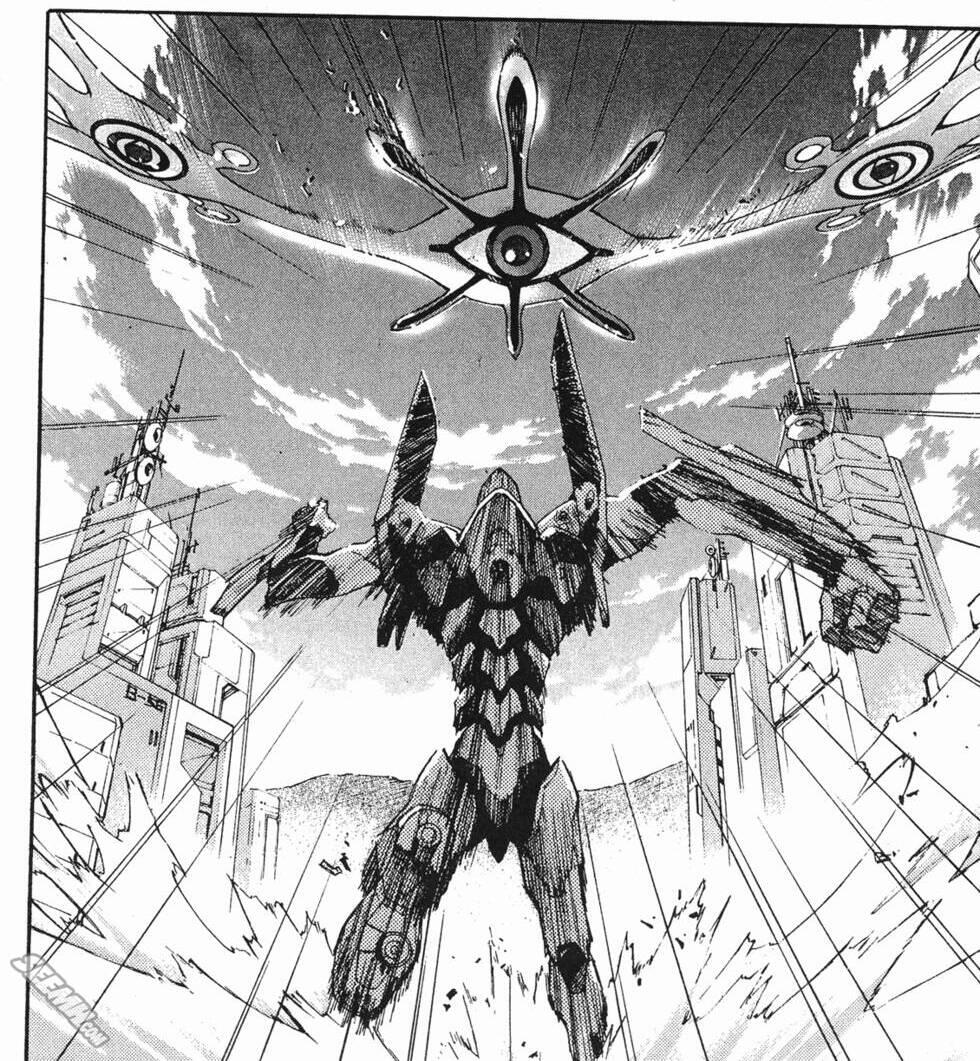
真嗣處在一個悲觀、人隨時可能會因意外大量死亡的世界,日子得過且過,也不想未來有什麼成就,但最後真嗣反而認為,自己之所以看不到希望,會不會只是因為自己沒有主動去尋找呢?未來的路再崎嶇,也要靠自己的雙腳去踏出來。
在漫畫版裡,渚薰這個角色也終於有了完整的性格詮釋。真嗣一路以來的朋友,不是離他而去,就是被他親手殺死,渚薰算是第一個主動接近、性格截然不同但還算理解他的「好朋友」。真嗣有很強的防禦心理,極力想避免被背叛與傷害,寧願孤單、什麼都不做也不願行動,幾乎只有在朋友/有好感的對象陷入危機時才會行動,也因此渚薰將自己的生死自由交給真嗣來決定時,真嗣這是第一次以自己的意志殺人、成全好友,也掏空了自己的心,從此之後世界末日在眼前了也不想行動,因為怎麼做都看不到希望,他不知道該如何做才能修補這一切混亂 - 直到發現朋友明日香還在奮鬥。真嗣就像是個只能為了自己在意的他人而行動的人,孤獨時不在意自己生死,朋友有難就能把命豁出去,也因此他才無法接受全人類合體的LCL之海,只有個體是沒辦法觀測到其他人存在的,不會形成自我也不會有幸福存在。
碇司令:「不用想要和我相互了解。人們不知為了什麼,都為了相互理解而努力,不過你記住,人與人之間是絕對無法完全理解的。人類,就是這麼悲哀的生物。」
真嗣:「因為這裡沒有任何人存在,所以這裡不會有幸福;雖然不會有壞事,但也不會有好事,就跟死了一樣。雖然父親曾經告訴我『人與人之間是絕對無法完全理解的』,可是我還沒去確認事情是不是真像他說的那樣,我得用這副軀殼親身去確認才行。在確定的過程中,也許我會因而痛苦,或發現一切都是徒勞,最後只有挫敗,不過我認為,即使只有剎那間,人跟人之間仍然能夠心靈相通吧?就像當時的妳跟我一樣。我得去確認,這雙手是為了什麼而存在,而我又是為了什麼而存在。」
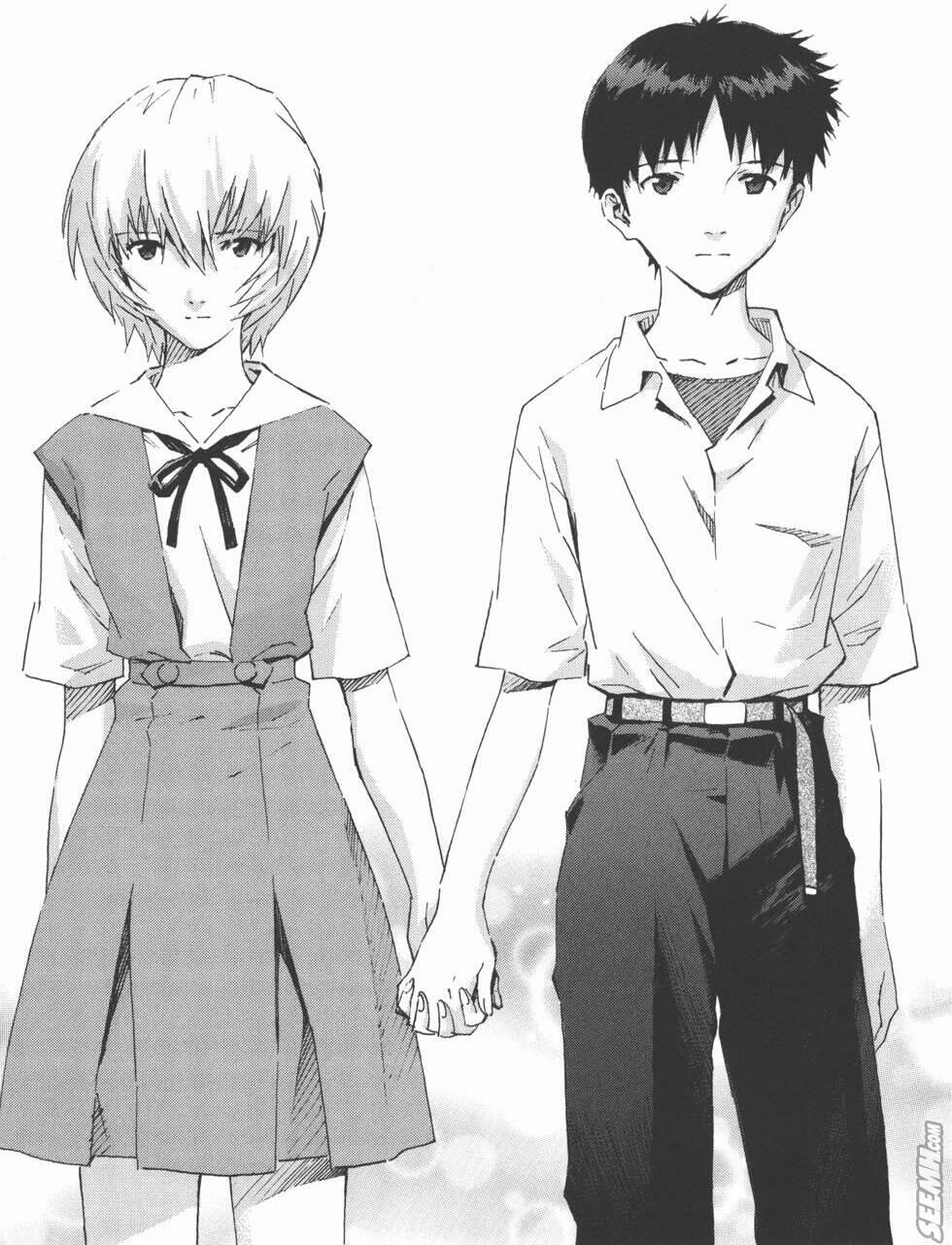
這次看完漫畫,我對主角真嗣完全改觀,對於真嗣的內心戲敘述非常多,整部作品中真嗣的人格不斷在改變,從被父親拋棄的獨立與厭世、反抗與叛逆、衝動逞英雄、覺得自己除了駕駛外一無所有、不在意自己死活,到有了對其他適任者的情感與關係聯繫、覺得勇敢活下去看看說不定會遇上好事,再到第8使徒(冬二那個)後的對自己能力不足的失望與厭惡、再如何努力還是不斷失去朋友,但這樣的他還是讓零與渚薰感受到了何謂情感,再如何想一死了之、不管世界死活也還是會為了朋友跳進刀坑,進而改變了整個結局,最後竟然還能伏筆全收、Happy Ending,真的是和動畫與劇場版完全不同,漫畫版的真嗣可謂真男人。
#Character_Growth #Inner_Monologue #Panspermia #Rebirth_of_Race
First of all, for those who want to understand what 《Evangelion》 is about, I recommended going straight for the manga. The anime and movie versions don't provide the lengthy character development, narration, or dialogue that the manga does, which are essential for a complete understanding of the story. This can be seen as both Shinji Ikari's growth journey and an imaginative tale derived from the "panspermia hypothesis" theory about the origins of life.
Some time ago on Reddit, I came across someone who argued that it's the manga by Yoshiyuki Sadamoto that truly represents 《Evangelion》's storyline. According to Yoshiyuki, who was in charge of character designs, the TV anime version was directed and animated by Anno Hideaki hence reflecting his own narrative style. The manga's characters, however, better represent Takahashi's original intentions and were starting to be published half a year earlier than the anime. The relationship between 《Evangelion》's manga and anime is akin to that of Miyazaki Hayao's 《Valley of the Wind》, where the manga serves as the primary storyline, while the anime adapts it within constraints of length, expression, and budget. I remember having quickly gone through the anime back when I was in university, but found it hard to grasp the overall messages, only understanding that Shinji was a timid boy who "should not escape", ending up with everyone congradulating him somehow and turning into LCL ocean.
⚠️ Spoilers ahead. ⚠️
Shinji: Though we have nothing except piloting EVA now, as long as we're alive, there may come a day when we realize how great it is to be alive."
Shinji, living in a pessimistic world where people can die at any moment, just barely making do with life and not looking forward to the future. However, eventually Shinji comes to wonder: could it be that he sees no hope because he hasn't sought it out himself? No matter how rough the road ahead may be, one must walk it with their own two feet.
In the manga version, Nagisa Kaworu finally gets a complete personality interpretation. Throughout Shinji's journey, his friends either leave him or are killed through his hands, making Nagisa the first person to actively approach him and offer a vastly different yet understanding personality as a "good friend." Shinji has strong defensive mechanisms, avoiding betrayal and harm, preferring loneliness and inaction at default. He only acts when someone he cares for is in danger. This is why Nagisa entrusting his life and death to Shinji's decision marks the first time Shinji kills with his own will, fulfilling a friend's request — and that also leaves him hollow inside. From then on, even with the end of the world looming before him, he still doesn't act because no matter what he does, he sees no hope. He doesn't know how to fix this chaos — until he realizes that his other friend Asuka is still striving out there. Shinji seems like someone who can only act for those he cares about. When alone, he doesn't care about his own survival; but when someone he cares is in trouble, he's willing to risk his life. This is why he can't accept the whole world merging into an LCL sea — because as individuals, we can't observe others' existence, leading to no self hence no possible happiness and bliss.
Commander Ikari: "Don't bother trying to understand each other. People, for some inexplicable reason, always struggle to understand one another. But human beings can never fully comprehend each other. That's how pathetic humans are."
Shinji: "Because there's no one here, there's no happiness; there won't be bad things, but there won't be good things either, it's just like being dead. Even though Father once told me 'people can never fully understand one another,' I haven't confirmed if that's truly the case. I have to use this body to find out for myself. In the process of finding out, perhaps I'll suffer, or discover it's all futile and end up only with defeat. But I believe that, even if only for a fleeting moment, people can still connect with each other, right? Just like you and me back then. I need to find out what these hands are for, and what I exist for."
After reading the manga, my perception of the protagonist Shinji completely changed. The manga delves deeply into Shinji's inner struggles and character development throughout the story. From his independence and cynicism stemming from being abandoned by his father, to his rebelliousness and recklessness in seeking justice despite feeling inadequate beyond piloting EVA, to his disregard for his own life, the story portrays a complex transformation. Later on, Shinji begins to form emotional connections with other members, fostering a desire to live courageously and hope for positive outcomes. However, after encountering the 8th Angel (the one with Suzuhara Touji), he becomes disheartened by his perceived inadequacies and constant loss of friends, yet manages to convey genuine emotions to Rei Ayanami and Kaworu Nagisa. Even when contemplating suicide and indifferent to the world's fate, Shinji still risks his life for his friends, ultimately reshaping the entire narrative and concluding with a relatively "happy ending." This version of Shinji in the manga is truly remarkable, diverging significantly from both the anime and film adaptations.


留言
張貼留言