📚心得【Machine Stops】 by E. M. Forster, 1909
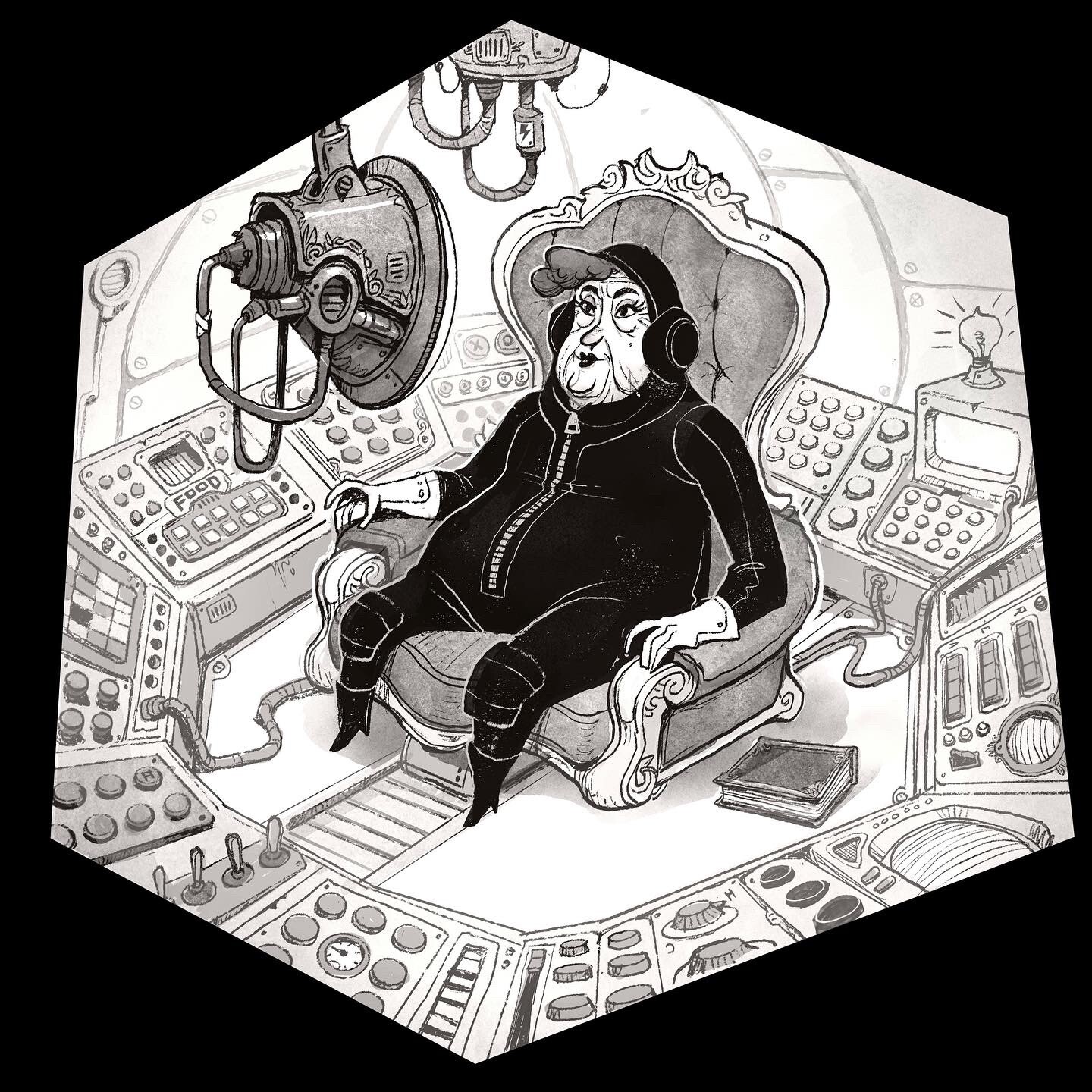
#短篇 #百年前科幻 #氣候變遷 #Dystopia #末日 #穴居
在知道這本短篇的著作年代前,並不覺得它的用字遣詞多古老,知道後才覺得這作者多麼前衛,竟然在WW1之前,就能想像出「將環境破壞殆盡、過度依賴機器、人與人切斷實際連結的人類未來」。
人類把環境搞爛後,所有人回歸「穴居生活」,在地下建造龐大的城市與維生系統,食衣住行育樂全都交給機器與維修人員處理,且因為通訊軟體的進步與大量運用,有些人一輩子不需走出房間;洞穴外的環境逐漸好轉後,人依然依賴著機器、不願離開自己的巢穴,即使各個系統逐漸地老去、無法修復,直到有天連通訊系統都壞掉,自己連求救都做不到。
在讀這篇短文時,一直讓我想起Isacc Asimov機器人系列中的《鋼穴》,兩者有很大的相同之處:氣候環境變遷太大、人類不再適合在自然環境中生活、築起鐵做的洞穴故步自封、患有廣場恐懼症。也許有了全沉浸VR後的人類並不會那麼難適應出了洞穴後的生活,但這完全可能是近幾個世紀後的人類未來,畢竟很難有國家願意犧牲自己的經濟、領頭跳出來全力解決氣候問題,這麼做比較容易因為資源匱乏而被其他勢力取代,比較可能大家都為了經濟競爭而持續衝刺,最後大家都輸。
不只是氣候問題,許多科幻也會提出類似觀點:面對這種溫水煮青蛙、或是看似嚴重但不至於讓人類滅絕的末日時,不會有世界大國跳出來扛住壓力、人類不會齊心協力,而是互推責任、甚至趁火打劫,反正即使災難無法解決,災難過後仍站著的會是背刺、狡詐的那方。
免費pdf:Machine Stops PDF
Image by Drew Hill from Artsation
IMO總分:60分,約一個小時就能看完的普通小說,出版一世紀了,主要想法卻不讓人過時。
核心思想:★★★☆☆ 核心討論議題是否有趣*5
劇情細節:★★☆☆☆ 綜觀整體劇情的質與量*4
角色刻畫:★★☆☆☆ 角色群的必要性與深度*3
科學軟硬:★★★★★ 是否符合現實物理現象*3
結局滿意:★★☆☆☆ 結局滿意度與有無餘韻*3
易讀程度:★★★★★ 閱讀時章節是否難消化*2
#Short_Story #Centry_Old_Scifi #Climate_Change #Dystopia #Apocalypse #Subterranean
Before knowing the time when this short story was written, I didn't realize how its language and wording felt old. After learning about it, I couldn't help but admire how forward-thinking the author was — they imagined a future where humanity had destroyed the environment, become overly reliant on machines, start calling progress of machines as progress of humanity, and disconnected from real human connections even before World War I!
After ruining the environment, all of humanity retreated to "cave-like living," building massive cities and life support systems underground. Every aspect of life — clothing, food, shelter, entertainment — was handled by machines and maintenance personnel. With advancements in communication tech, some people never even needed to leave their rooms. Even as the outside environment gradually improved, humans remained dependent on machines and unwilling to leave their cozy nests. Over time, as systems aged and broke down, eventually even the communication systems failed, leaving them unable to call for help.
While reading this short piece, I kept thinking of Isaac Asimov's robot series 《The Caves of Steel》. There are many similarities: extreme climate change making natural living impossible, humans building iron caves to isolate themselves from no-longer-inhabitable environment, and suffering from agoraphobia (fear of open spaces). Maybe with fully immersive VR, humanity wouldn't struggle so much adapting to life outside the caves. But this could very well be humanity's future in a few centuries: it's hard for any country to lead the way in solving climate issues at the expense of its economy, as others might step in and take over once resources become scarce. More likely, nations will keep competing economically, pushing harder until everyone loses.
It's not just about climate change. Many sci-fi stories explore similar ideas: when faced with slow-developing disasters or crises that seem severe but won't outright destroy humanity while people are having gradual change blindness, no major power steps up to take responsibility. Instead, people and nations blame each other, even exploit the situation for gain. In the end, those who survive are often the ones who double-crossed others and played dirty.
IMO Rating: 60. Ordinary novel that can be finished in about an hour. Has been published for a century, yet its main ideas remain timeless and not outdated.
Core Theme: ★★★☆☆ (*5)
Plot Quality: ★★☆☆☆ (*4)
Character Development: ★★☆☆☆ (*3)
Science Validity: ★★★★★ (*3)
Ending Satisfaction: ★★☆☆ (*3)
Readability: ★★★★★ (*2)


留言
張貼留言