📚心得【In the Lives of Puppets】 by T.J. Klune, 2023
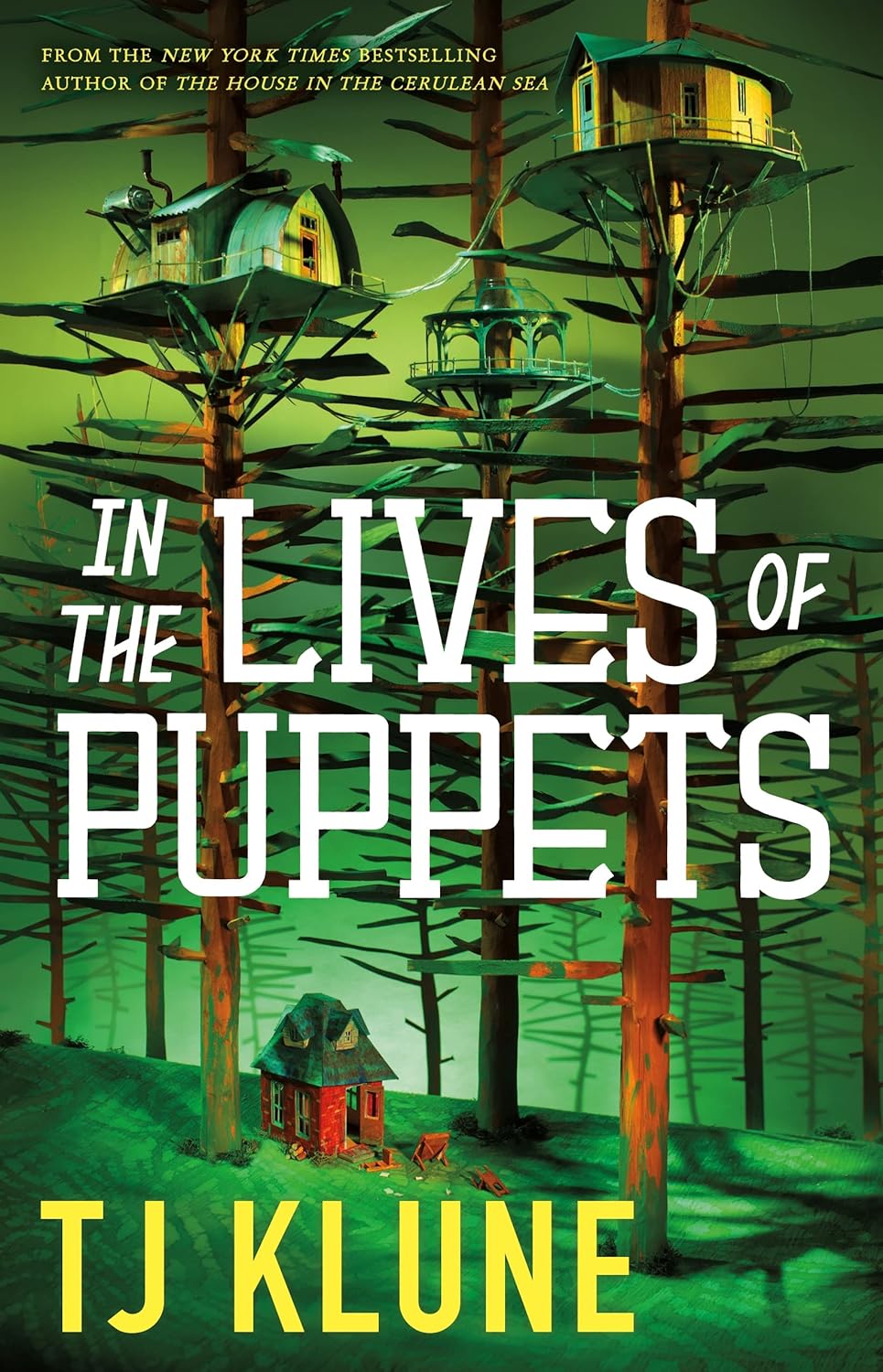
#2023_Goodreads_Choice_Award_SciFi_Winner #小木偶 #童話故事 #人機戀 #LGBTQ+ #末日後 #人類滅絕 #過度天真樂觀
我在Goodreads 2023年度讀者票選獎的科幻項目中看到《In the Lives of Puppets》拿下第一名,當時並未研究作者T.J. Klune是哪種類型的作家,就直接開始閱讀了 🤦♂️ 讀了約1/3才發現,作者的作品幾乎全是LGBTQ+類型。對我來說並非不能接受,只是在閱讀時,情感上較難產生共鳴,不懂角色們到底在想什麼,無法同理;缺點明顯的同時,作者也非常懂得透過對話塑造角色形象,他的敘事方式和角色對白很像Disney電影的劇本,如果這本書原本就是打算改編成動畫,我也不會感到意外,因此優點也很突出,我也是第一次閱讀這種大好也大壞的作品。
不是很推這部,所以馬上開雷。
LGBTQ+的部分,主要是在一個人類被仿生人狩獵並滅絕的背景設定下,主角身為唯一存活的人類,被偏男性特徵、不好相處又很可能殺害自己的仿生人吸引並與之交往,並在敘述具雙性特徵的Blue Fairy時多次強調它很吸引人,我看了滿頭問號,主角是抖M嗎?對劇情發展的無法同理進而影響到了我對劇情邏輯的理解,尤其本書的主設定偏向不科學的軟科幻,許多情節幾乎可以歸類為沒有嚴謹因果關係的魔幻。
書的後半段,特別是主角與Blue Fairy的對話,對我而言已經是邏輯崩潰,作者彷彿想用情緒來強行解釋道理,又帶有那種「我思想自由,所以我的行動也該自由,我才不管你的理性意見」的偏激DEI論調,如果這種想法能成立,人類滅絕也是剛好而已,沒人會願意妥協彼此的存在與想法。之後的劇情,我幾乎是把它當成給孩子看的童話故事來讀。
然而,本書最令人驚豔的地方,在於它以科幻的角度重新詮釋了1883年的經典童話《木偶奇遇記》。原版故事是由人類創造並撫養木偶,木偶歷經冒險後救回父親;而《In the Lives of Puppets》則反過來,由仿生人創造並撫養人類,之後被自己創造的“孩子”所毀滅,最後再由人類修復失憶的仿生人,這個設定非常獨特且引人入勝。此外,書中對於存在意義(原廠編程、基因)、感性人類與理性機械各自的缺陷、懸而未決的操偶線、自由意志帶來的包袱與權力,以及藉由死亡和有限的時間來定義真實動機等議題的探討,都十分有趣且發人深省。
但在軟科幻的處理上,本書的缺點又相當明顯。例如,為何軟硬體上可以輕易保存、修復的機械之間會有死亡的概念?內鬥的人類為何會敗給連人類都無法一眼辨識、需要觀測到血液才會主動攻擊的愚笨機械?機械為何僅憑一個不完美仿生人的片面資訊,就決定要滅絕全人類?滅絕人類後,機械之間為何仍然使用人類以震動為基礎的語言溝通,而不是更有效率的電訊號?要找出跳脫hive mind總機控制的機械應該不難,定時發送確認指令,檢查操偶線是否還連著線即可,或者像《不滅的你》那樣,無預警地給予所有機械暫停指令,並獵殺任何還能活動的個體,總機的智慧程度實在令人懷疑?更令人費解的是,機械式的木頭心臟為何需要人類血液才能運作,甚至還能賦予仿生人情感?主角又為何會愛上身邊最暴力、最不值得信賴、最難相處的仿生人?簡直是飛蛾撲火 🤦
TLDR,《In the Lives of Puppets》的整體故事架構是一個非常優秀的《木偶奇遇記》反轉與改良版本,劇本般順暢的敘事方式和角色對白,給我的感覺像像是在看一部Disney電影,尤其Nurse Ratched與Rambo之間的雙簧非常自然的塑造出了它們各自的角色形象;然而在細節和邏輯上,本書的表現卻相當糟糕,我覺得是明顯的缺陷。
IMO總分:47分,我看得狂歪頭的偏魔幻的LGBTQ+軟科幻童話作品,優、缺點都很明顯,不推。
核心思想:★★☆☆☆ 核心討論議題是否有趣*5
劇情細節:★★☆☆☆ 綜觀整體劇情的質與量*4
角色刻畫:★★★★☆ 角色群的必要性與深度*3
科學軟硬:★☆☆☆☆ 是否符合現實物理現象*3
結局滿意:★★☆☆☆ 結局滿意度與有無餘韻*3
易讀程度:★★★★☆ 閱讀時章節是否難消化*2
#2023_Goodreads_Choice_Award_SciFi_Winner #Pinocchio #Fairy_Tale #Cryotonic_Love #LGBTQ+ #Post_Apocalyptic #Human_Extinction #Overly_Naive_Optimism
When I saw 《In the Lives of Puppets》 topping the 2023 Goodreads Choice Awards in the Sci-Fi category, I jumped into reading it without researching the author, T.J. Klune, at all. About a third of the way through, I noticed that this author’s works are almost exclusively LGBTQ+ themed. Now, that’s not inherently a bad thing for me, but emotionally, it was hard for me to connect with the characters or understand their motivations. Like, one part had the main character being attracted to a potentially murderous android with very masculine traits, and then there was this Blue Fairy character who is described as "having dual gender features and being super alluring" for some reason... Uh, was the main character into some kind of BDSM dynamic here? I was so confused 🤦♂️
On the plus side, Klune is really good at crafting characters through dialogue. The way he writes conversations feels almost like a Disney script, which honestly makes me think this book would be perfect as an animated movie adaptation. So yeah, it’s got its strong points—but wow, it’s also super polarizing for me.
The main premise is set in a world where humans are hunted and extincted by androids (or “puppets”), and the main character is the last surviving human who gets tangled up with these bots. The twist here is that instead of being created and nurtured by humans like in Pinocchio, this story flips it — one of the puppets created and nurtured the main human character, which I actually thought was a cool angle.
But man, the logic holes are so glaring. Like, how exactly did the androids go from being created to creating humans? It felt too vague and hand-wavy. And the whole LGBTQ+ element sometimes felt forced, like it was there just for the sake of checking boxes rather than serving the story naturally.
I give it props for trying to modernize Pinocchio, but where it fails is in execution. The pacing is uneven, some parts are overly dramatic, and the relationships feel underdeveloped. I kept wanting more details and explainations from the characters and the world-building, but it just didn’t deliver.
Looking at Klune’s other works, this seems like a departure for him. His previous books are more fantasy-driven with comedic elements. This one feels more grounded in its sci-fi elements but struggles to balance drama with world-building. It could have been a really interesting take on the Pinocchio story, but unfortunately, for me it falls short.
Overall, I’d say it’s a mixed bag. If you’re into Pinocchio reboots or want to explore themes of identity and existence through sci-fi, this might be worth a look—but fair warning, it’s definitely not for everyone.
IMO Rating: 47. Quirky magical LGBTQ+ soft sci-fi fairy tale that has polarizing pros and cons. I’d recommend passing this one.
Core Theme: ★★☆☆☆ (*5)
Plot Quality: ★★☆☆☆ (*4)
Character Development: ★★★★☆ (*3)
Science Validity: ★☆☆☆☆ (*3)
Ending Satisfaction: ★★☆☆☆ (*3)
Readability: ★★★★☆ (*2)


留言
張貼留言