📚心得【Children of Time #2: Children of Ruin】 by Adrian Tchaikovsky, 2019
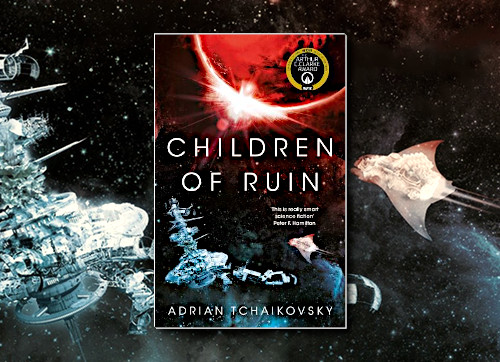
#異種族視角 #末日 #uplifting #跨越多時代 #horror #symbiosis
寫這種心得真的很難不雷啊…反正也很少人看,隨便啦 🙃🤣😭 先寫段spoiler-free前文吧。注意Children of Time系列各集並非standalone,看完第一集再去看第二集會比較好。
繼上集的和平之後(實際上並沒那麼順利),這次的故事將隨著一隊種族混合的科學家們,前往一個持續傳來無法識別資訊的舊時代人類地球化計畫所在的星系,遇到了由其他舊人類團隊uplift的智慧種族,也有同時令人恐懼與驚喜的收穫。
以下開始大雷。
也許是前作真的太優秀了,這次真的有些失望,種族雖然增加了,世界觀和時間線卻變得狹窄。
首部曲以"蜘蛛文明的成長"與"人類文明的墮落"做強烈對比,二部曲則兩者皆無,章魚主角們更像是單純得天獨厚的巫師,不用care科技與文明進展,只管“命令“自己的Reach的神經元簇就好。也許是因為以人類視角來敘事吧,uplift過程太扯、太模糊,軟體動物作為智慧種族的確是有趣,但種族的選擇很「硬要」,純粹只是看Senkovi的喜好;Nod上的另一個能讀取宿主記憶的寄生藻種族更扯,要說是人類不小心遺留下來的nanomachine好像還說得過去,天然演化的是如何克服多個體協作、交流、吞噬、思考與克服過熱問題的(這點對Grey Goo都是大難題);最後,看過第一部之後,第二部結局實在太好猜,大概看到30%左右就已經大致知道會如何結尾了。整體來說,失去了首部曲最大的幾個優秀之處。
從比較細部的設定來看,二部的矛盾處更是明顯:
若是沒有舊人類們留下的科技,生活在水體裡的章魚們根本不會有太多科學成就;章魚的天性、文化與交流方式,注定牠們不會有知識傳承,科學的延續完全不靠crown大腦,完全依賴reach的運作,產生「我什麼都不會,但只要一直想著同一件事,身體就會自己想辦法去完成」的奇特現象,這…怎麼想都沒那麼簡單吧?Reach都是沒意識、無法反抗的AI嗎?過於彈性的思考模式與易怒的藝術家性格配上高科技武器,也很容易走上舊人類的後塵,能好好挺過各種滅亡危機,根本是奇蹟。
寄生藻也是過於神奇,雖然能了解躲在生物體內逃避天敵的特性,但能自行演化出將記憶刻在遺傳物質上實在太扯,在一個競爭不激烈、只有少數陸生動物的環境內,真有需要花大量能量在傳遞整個生命循環過程中的訊息?能演化出如此OP又沒必要的生態,機率實在太低;身為寄生生物,單純感染、吃掉生物大腦、記住原本結構並重新組合更扯,藻類之間是如何溝通的?你吃你的、我吃我的,最後每個藻類細胞都只知道自己吃掉的部分,是如何交換遺傳物質的?依照記憶、組合模擬後如何運動也是問題,完全無法像脊椎動物般移動吧?沒有外殼的話,應該只是像Slime一樣糊成一團的東西;最後Kern能透過非生物的腦晶片、將自己保存多樣性的意見蓋過寄生藻貪婪的好奇天性也是…恩,寄生藻們有點容易說服啊? 😅
優點還是不少的,章魚的思考和交流方式還是很新穎的,但imo這本在異種族的設定與互動時的矛盾程度已經有些比Bobiverse 4還差了…
IMO總分:69分,明顯比不上前作但還是值得看的佳作。
核心思想:★★★★☆ 核心討論議題是否有趣*5
劇情細節:★★★★☆ 綜觀整體劇情的質與量*4
角色刻畫:★★★★☆ 角色群的必要性與深度*3
科學軟硬:★★★☆☆ 是否符合現實物理現象*3
結局滿意:★★☆☆☆ 結局滿意度與有無餘韻*3
易讀程度:★★★☆☆ 閱讀時章節是否難消化*2
#Alien_Perspectives #Apocalypse #Uplifting #Spanning_Eras #Horror #Symbiosis
Writing this review is almost too exciting... Anyway, it's probably not going to get much attention. Let me start with a spoiler-free prologue first. Note that the episodes in 《Children of Time》 series are not standalones, so it's better to watch the first episode before moving on to this one.
Following the peace after plot of the previous book, the story follows a team of multi-species scientists heading towards a system where an ancient human terraforming project is continuously transmitting unidentified information. They encounter a sentient species uplifted by another old human team, with both terrifying and surprising discoveries along the way.
Here comes the spoilers and excitement. Read at your own risk.
Might be because the first part was just too great, I felt somewhat disappointed this time around. While more races were added, the worldview and timeline seemed narrower.
In the first book, the strong contrast between the "growth of spider civilization" and the "fall of human civilization" stood out. In this second one, neither element is present; the octopus protagonists feel more like lucky wizards who don't care about technology or civilization progress — they just focus on commanding their "Reach" (tentacles with brains) neural clusters. Maybe it's because the storytelling is from a human perspective, the uplifting process feels too pulled out and vague. Intelligent beings with soft-bodied features are indeed interesting, but the choice of species by the deceased science team feels forced — it's all based on Senkovi's personal preference. The other race on Nod — the Nodians, a parasitic species that can absorb memories and knowledge of their hosts — is even crazier. Saying they're leftovers from humans accidentally leaving behind nanomachines makes some sense, but how did a naturally evolved one overcome issues like multi-body cooperation, communication, digestion, thinking, and overheating (which are huge challenges even for Grey Goo)? At around 30% in, the ending of this second book is already too predictable compared to the first one. Overall, it lost some of the biggest strengths of the first book.
Looking at the more detailed settings, the contradictions in this second book are even more obvious:
If it weren't for the ancient humans' technology, the octopuses living in water wouldn't have achieved much technologically; their nature, culture, and communication methods make knowledge transmission impossible. The continuation of science doesn't rely on their main crown-shaped brain at all — it's completely dependent on Reach's operations, leading to this strange phenomenon where "I know nothing, but as long as I keep wanting the same thing, my body will figure out how to complete it." This feels overly simplistic — are the Reaches just mindless, non-resistant AIs? Their highly flexible thinking combined with their irritable artistic personalities and high-tech weapons makes them prone to follow in the ancient humans' footsteps — self annihilation. It's a miracle they even make it through.
IMO Rating: 69. Clearly not as good as its predecessor but still a worthwhile excellent work.
Core Theme: ★★★★☆ (*5)
Plot Quality: ★★★★☆ (*4)
Character Development: ★★★★☆ (*3)
Science Validity: ★★★☆☆ (*3)
Ending Satisfaction: ★★☆☆☆ (*3)
Readability: ★★★☆☆ (*2)


留言
張貼留言